Parents enrol children in sports for all kinds of reasons. Some children are naturally athletic and want to advance. Others are developing coordination or confidence. In both cases, parents recognize the value of helping those abilities grow.
The same is true of music. A child may show an early gift, simply enjoy playing, or benefit from the discipline of learning something challenging. Parents often see value in the experience beyond the skill of playing an instrument.
Enriched mathematics, chess, coding and second-language instruction attract similarly varied learners. Children participate to build on an aptitude, develop an emerging ability or explore something new. Parents hope the experience will give them something worthwhile to carry forward.
Making room for cognitive enhancement
Cognitive programs are less likely to appear on that list.
Many parents have never heard of them. Others first encounter them when looking for help with learning difficulties that are affecting their child’s progress, confidence, independence or happiness.
It is understandable that families begin exploring options when a need becomes apparent. But there is also value in considering cognitive development as part of the opportunities we offer children throughout their education.
After all, the brain supports every one of these pursuits. Learning a swimming stroke, understanding a mathematical relationship, following a musical score or holding a conversation all draw on cognitive processes. Memory, attention, reasoning and processing help children take in information, make sense of it, remember it and respond. They underpin the skills children learn and the independence they gradually develop.
Helping children get more from learning
Good instruction, a rich curriculum and varied experiences are essential to a child’s education and development. Cognitive programs can strengthen the capacities children bring to those opportunities, helping them engage more fully with what they are taught and what they choose to pursue. That can have value whether a child is excelling, managing comfortably or finding learning difficult.
Achievement also tells us only so much about a child’s experience. A child may earn strong grades while needing considerable time and effort to complete their work. Another may excel in familiar activities yet feel hesitant about trying something new. Even when children are doing well, there can be opportunities to help learning feel more manageable and new challenges feel more approachable.
Practicing persistence, building confidence
Participating in a cognitive program can also help children develop qualities they will draw on throughout life.
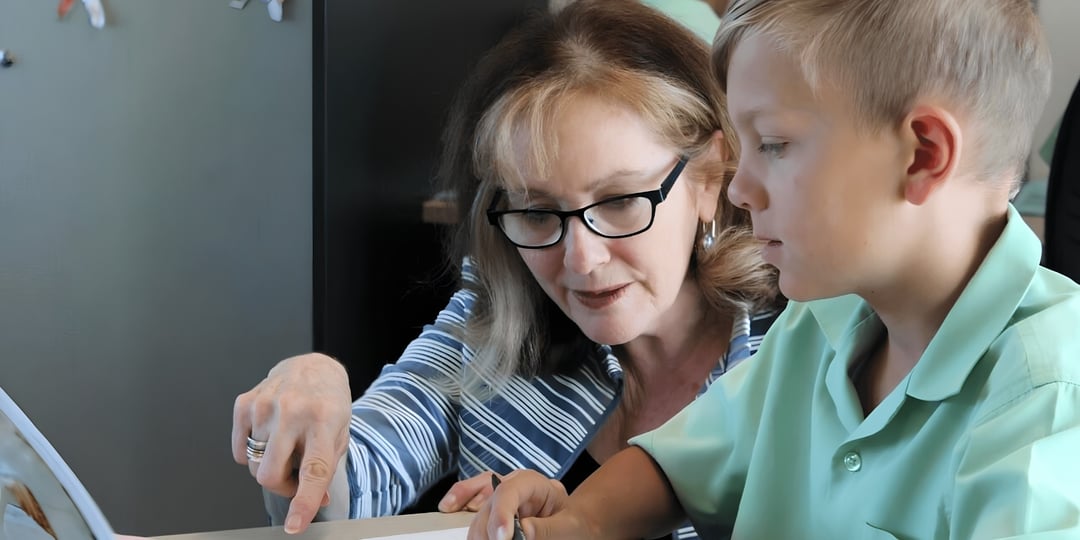
In an Arrowsmith setting, learners work through tasks designed to be challenging and achievable. Their facilitator provides guidance and encouragement, while the level of challenge increases as new capacities emerge. Along the way, as a 'by-product' of the experience, gains are measured in the learner's ability to sustain their focus, stay on task, and persist until the task is completed.
The rhythm becomes familiar: work towards a goal, make mistakes, try again, master—and face the next challenge. Each new level offers another opportunity to practice persistence and resilience alongside developing cognitive abilities. Confidence grows from the experience of accomplishing something that once felt out of reach.
Children also begin to recognize their own role in that progress: “I kept working at this, and I improved.” That growing sense of agency—the feeling that their actions can influence what happens—foster independence and a greater willingness to try.
Foundations for a lifetime
These capacities and qualities travel with a child. They shape learning across subjects and activities, and later help an adult navigate unfamiliar situations, develop new skills and pursue goals. Their value extends well beyond a particular school year or extracurricular activity.
As parents, we cannot anticipate everything our children will need to learn. Investing in their cognitive profile is one way to help prepare them—with the capacity, confidence and willingness to keep striving throughout their lives,